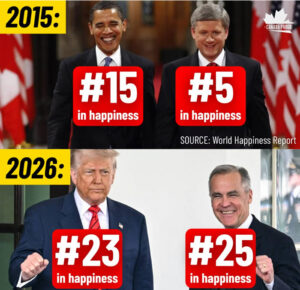
Western Canada resources pay for the east of CANADA, enough is enough.
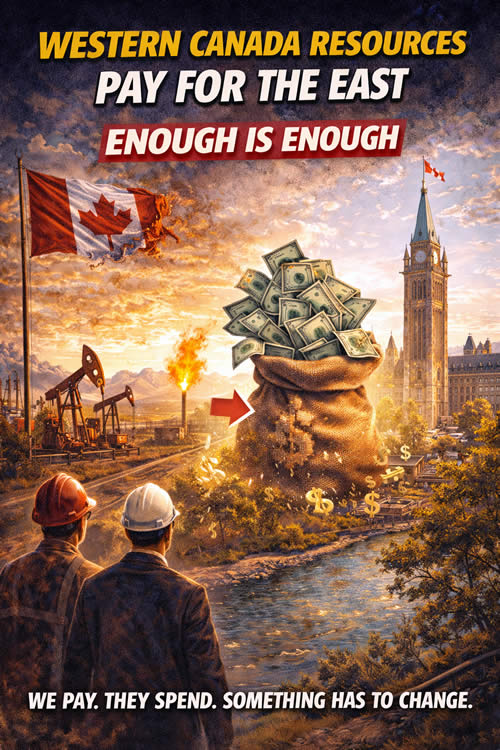
Western Canada resources pay for the east of CANADA, enough is enough.
Debates over fairness inside Canada aren’t new — but in Western provinces, the frustration has reached a boiling point.
For decades, provinces like Alberta and Saskatchewan have generated enormous wealth through oil, gas, agriculture, and natural resources. When energy prices soar, federal revenues swell. When global demand rises, Western exports carry the trade balance. And when the national books look healthy, it’s often because the West delivered.
Critics argue that while Western Canada produces the revenue engine, fiscal redistribution mechanisms send billions eastward — especially during boom years. Supporters of the system say this is the price of national unity: stronger regions help stabilize weaker ones. Opponents counter that the arrangement has become structurally unfair, discouraging growth in some provinces while punishing productivity in others.
The tension deepens when federal environmental or regulatory policies are perceived to limit resource development — effectively restricting the very industries that generate the revenue pool in the first place. To many in the West, it feels like being asked to fund a system that simultaneously constrains their economic strengths.
Whether one sees this as solidarity or imbalance depends on perspective. But one thing is undeniable: the conversation about fiscal federalism, resource policy, and regional equity is no longer fringe. It’s central to the future of Canada — and ignoring it won’t make it disappear.