Major Blizzard Warning Issued Across Parts of the United States
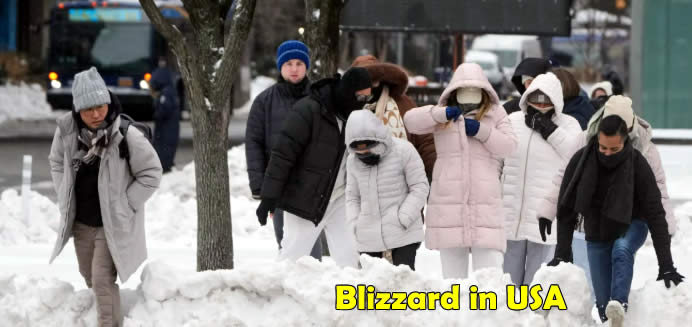
A powerful winter storm is moving across large portions of the United States, prompting blizzard warnings in several states and raising concerns about dangerous travel conditions, power outages, and life-threatening cold.
Forecasters are warning of heavy snowfall combined with strong, sustained winds that could reduce visibility to near zero for extended periods. In blizzard conditions, it doesn’t take much for roads to become impassable. Drifting snow can quickly bury highways, strand vehicles, and prevent emergency crews from reaching those in need.
What Makes This Storm Dangerous
A blizzard is not just heavy snow — it is defined by sustained winds of at least 35 mph and visibility reduced to a quarter mile or less for three hours or more. When those conditions combine with sub-freezing temperatures, the risk escalates dramatically.
Key hazards include:
-
Whiteout conditions making travel extremely dangerous
-
Rapid snow accumulation overwhelming plowing efforts
-
Downed power lines due to ice and wind
-
Wind chills that can cause frostbite in minutes
-
Stranded motorists at risk of exposure
Officials are urging residents in affected regions to avoid unnecessary travel and to prepare for possible extended power disruptions.
How to Prepare
If you are in an area under a blizzard warning:
-
Stay off the roads unless absolutely necessary
-
Stock up on water, food, medications, and batteries
-
Keep phones fully charged
-
Have flashlights and backup heat sources ready
-
Check on elderly neighbors and vulnerable individuals
If travel cannot be avoided, drivers should carry blankets, extra clothing, food, water, and a fully charged phone. Even a short trip can turn dangerous quickly when visibility disappears.
The Bigger Picture
Severe winter storms remain one of the most disruptive natural events in the United States. While modern forecasting provides advance warning, the impacts still ripple through communities — closing schools, halting flights, shutting down businesses, and straining emergency services.
The safest decision during a blizzard is often the simplest one: stay home.
Authorities will continue to monitor the storm’s path and intensity. Residents are advised to follow updates from local weather offices and emergency management agencies as conditions evolve.