Are People Being Arrested for Their Opinions? The Growing Free Speech Debate in Western Democracies
It ahs been already talked about this but sometimes question remains open
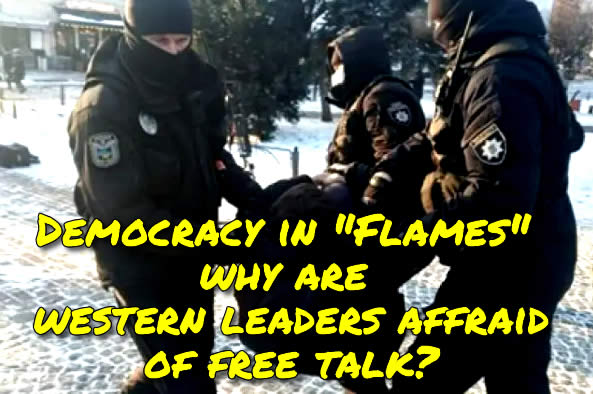
In recent years, a perception has taken hold in parts of the public conversation: that people in countries like Canada, parts of Europe, and Australia are being arrested simply for expressing opinions — even when those opinions do not call for violence. Whether fully accurate or amplified by social media, the fear itself is real and increasingly widespread.
It’s important to begin with clarity. In established democracies, governments do not typically arrest people for ordinary political disagreement. Freedom of expression remains protected under constitutional or statutory frameworks. Elections occur. Governments are criticized daily. Opposition parties function openly.
However, what has changed is the legal and cultural landscape around speech. Laws governing hate speech, harassment, misinformation, public order, and online communications have expanded in many jurisdictions. Authorities often argue these laws are necessary to prevent harm, protect vulnerable groups, or maintain social stability. Critics argue that vague definitions and broad enforcement powers risk crossing into punishing controversial — but non-violent — speech.
The tension lies in interpretation. When someone is arrested or fined for online posts, protest activity, or speech deemed “offensive” or “harmful,” supporters of enforcement see it as upholding the law. Opponents see it as government overreach into personal opinion. The dividing line between unlawful incitement and protected dissent can sometimes appear blurry, especially when cases are reported in fragments online.
Social media amplifies every incident. A local charge becomes a global headline. Context is compressed into screenshots. Legal nuance disappears. The result is a narrative that “people are being arrested for opinions,” even when charges may relate to harassment statutes, public order rules, or communication laws rather than political belief itself.
At the same time, the chilling effect is undeniable. Even if most people are not being prosecuted for everyday criticism, high-profile cases — or even just viral rumors — can create caution. Individuals begin to self-censor, unsure where the line truly lies. That uncertainty alone can weaken open debate.
Democracies face a delicate balance. Governments have a responsibility to prevent threats and protect citizens from targeted harm. But they also have a responsibility to safeguard free inquiry, dissent, and uncomfortable speech. When citizens begin to question whether expressing an unpopular opinion could carry legal consequences, trust in institutions erodes.
The real issue may not be mass arrests for opinion — but public confidence in the boundaries of free speech. Democracies function best when the rules are clear, narrowly applied, and transparently enforced. If citizens perceive inconsistency or politicization, skepticism grows.
The question, then, is not whether laws should exist. It is whether they are precise, proportionate, and consistently applied — and whether governments communicate those boundaries clearly enough that citizens do not feel they are walking through a legal minefield simply by speaking their minds.
In a healthy democracy, speech can be contentious without becoming criminal. Preserving that distinction is essential — not just legally, but culturally.