Why Are Some Young People Dying Earlier? A Data-Based Look at Health Risks — and What You Can Control
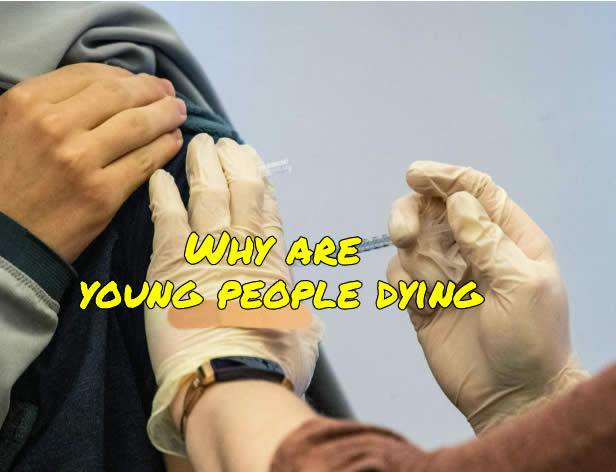
There has been growing concern about mortality trends among younger and working-age adults in recent years. The discussion is often emotional, political, or speculative.
This article focuses on verified public health data and what it actually shows — without exaggeration, without dismissal.
The goal is simple: clarity, not fear.
What the Data Shows About Young Adult Mortality
Across the United States, Canada, and parts of Western Europe, excess mortality increased during the pandemic period. However, when broken down by cause, the largest contributors among younger adults (roughly ages 18–45) have consistently been:
-
Drug overdoses (especially synthetic opioids)
-
Alcohol-related disease
-
Suicide and mental health crises
-
Cardiovascular disease linked to obesity and metabolic disorders
-
Delayed diagnoses of treatable conditions
These are measurable drivers with large statistical footprints.
The conversation sometimes shifts toward vaccine injury as a primary explanation. To assess that claim, we need numbers — not assumptions.
Myocarditis and COVID-19 Vaccines: What the Data Actually Shows
Myocarditis (inflammation of the heart muscle) became a known rare side effect of mRNA COVID-19 vaccines, especially in younger males.
United States (CDC & peer-reviewed surveillance data)
-
Highest observed risk: males 16–24
-
Estimated rate after second mRNA dose:
-
Approximately 40–70 cases per million doses
-
-
Most cases:
-
Mild
-
Hospitalized briefly
-
Resolved with treatment
-
Canada (Public Health Agency data)
-
Similar pattern to the U.S.
-
Higher incidence after second dose in young males
-
Most cases mild, recovery typically within weeks
Western Europe (EMA & national monitoring systems)
-
Confirmed rare association
-
Rates comparable to North American findings
-
Risk higher with Moderna vs. Pfizer in young males (policy adjustments were made in several countries)
Important Context
-
COVID infection itself carries a higher myocarditis risk than vaccination.
-
Severe or fatal myocarditis following vaccination has been documented but remains very rare.
-
Reported rates are measured in dozens per million, not thousands.
From a population-level perspective, these numbers are not large enough to explain broad excess mortality patterns across entire young adult populations.
That does not minimize individual cases. It simply clarifies scale.
Country-Specific Overview
United States
The dominant driver of young adult mortality increases has been the opioid crisis, particularly fentanyl.
-
Overdose deaths in people under 45 have risen sharply.
-
Heart disease in younger adults has increased alongside obesity rates.
-
Mental health strain remains significant.
Vaccination-related myocarditis is documented but statistically small compared to overdose deaths.
Canada
Canada has experienced:
-
High opioid-related mortality, especially in Western provinces.
-
Rising alcohol-related disease.
-
Strained healthcare systems and delayed procedures.
Myocarditis rates following vaccination mirror U.S. findings — rare and concentrated in specific age groups.
Canada’s broader demographic pressure comes from low birth rates and an aging population more than unexplained young death spikes.
Western Europe
Western European countries show:
-
Lower overdose rates than North America (though rising in some regions)
-
Aging populations
-
Declining birth rates
-
Increased cardiovascular risk factors in younger generations
Vaccine surveillance systems across the EU identified rare myocarditis risk and updated guidance accordingly. There has been no verified large-scale mortality signal directly tied to vaccination programs in young adults.
The Bigger Health Picture for Young People
If we step back from single-cause explanations, a larger pattern emerges:
-
Sedentary lifestyles
-
Ultra-processed diets
-
Obesity at younger ages
-
Chronic stress
-
Sleep deprivation
-
Substance misuse
-
Digital isolation
-
Declining physical resilience
These factors interact over time.
The most powerful determinants of long-term health are not political decisions or viral headlines. They are daily habits.
The Clean Path Forward for Young People
If you are under 40, the most evidence-based protective actions remain:
-
Avoid drugs — especially illicit opioids
-
Moderate or eliminate alcohol
-
Maintain healthy body weight
-
Lift weights or engage in resistance training
-
Prioritize sleep
-
Monitor blood pressure and cholesterol early
-
Seek help early for mental health struggles
-
Build in-person community connections
These are not dramatic solutions.
They are consistent ones.
The Hard Truth
Young people are not facing a mysterious extinction event.
They are facing accumulated lifestyle, public health, and societal stress pressures.
Vaccine injuries exist but are rare and closely monitored. They do not statistically account for the majority of excess deaths observed in young adult populations.
The larger risk comes from long-term metabolic decline, addiction, and social fragmentation.
That reality is less sensational — but more actionable.