




State Department slams UN gender and climate bodies as “wasteful, ineffective, or harmful,” backing U.S. exit in a blow to globalist bureaucracy
The United States’ decision to withdraw from certain United Nations gender and climate bodies has sparked predictable outrage. Critics warn of isolationism, lost leadership, and abandonment of global responsibility. But beneath the noise lies a harder truth: exiting institutions that no longer serve American interests is not reckless — it is responsible.
At its core, this decision is about sovereignty and democratic accountability. The UN system is not merely a neutral forum for cooperation. It increasingly shapes policy through norms, reporting requirements, and “soft law” mechanisms that pressure nations to align domestic laws with international priorities. These decisions are made by unelected bodies, far removed from American voters.
A democracy cannot remain healthy if its policies are shaped by international committees rather than elected representatives. Sovereignty is not symbolic; it is the practical means by which citizens retain control over their future. When participation in global institutions undermines that control, withdrawal becomes a legitimate act of self-government.
The financial reality reinforces this point. The United States is the largest contributor to the UN system, funding agencies whose mandates expand steadily while transparency and measurable outcomes lag behind. American taxpayers support programs that often advance ideological agendas with little domestic consensus and minimal accountability.
Generosity loses its virtue when it becomes compulsory and unaccountable. Redirecting these funds back home restores transparency and ensures that spending reflects the priorities of voters, not international bureaucracies.
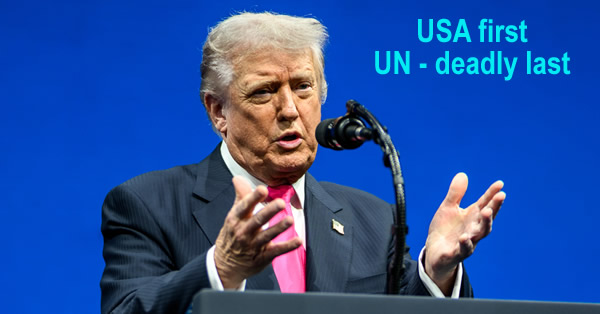
Climate policy illustrates the problem clearly. Leaving UN climate bodies does not mean abandoning environmental responsibility. The United States remains a leader in emissions reductions, clean-energy innovation, and technological development. Progress has come largely through market-driven solutions and private-sector innovation, not through centralized global mandates.
UN climate frameworks tend to emphasize rigid targets and political bargaining that dilute responsibility and reward the world’s largest polluters, while placing disproportionate constraints on productive economies. America’s strengths lie in innovation, adaptability, and entrepreneurship — qualities that bureaucratic systems rarely foster.
Critics also argue the U.S. loses influence by stepping away. But influence is not measured by how many committees a nation sits on. It is measured by leverage. As the world’s largest economy, a leading security partner, and a center of technological advancement, the United States wields influence through trade, diplomacy, and innovation — not attendance.
Selective engagement is not withdrawal from the world. It is strategic participation. Not every global challenge requires a permanent global institution, and cooperation does not require surrendering decision-making authority.
This move is not a rejection of equality or environmental stewardship. It is a reaffirmation that policy should be made by those accountable to American voters, funded by transparent choices, and guided by national interest rather than global ideology.
Does it mean that USA is the only country caring for it’s OWN people?
Where are the CORRUPTERD POLITICIANS of MODERN WEST EU, CANADA, AUSTRALIA, NEW ZEALAND?
MAYBE IMPLEMENTING NEW RESTRICTIONS on own people ???
Sometimes leadership means knowing when to walk away.